Supercharge Your Body's Night Shift You can forget that old myth about not eating protein before bed
Springer Nature, 2016

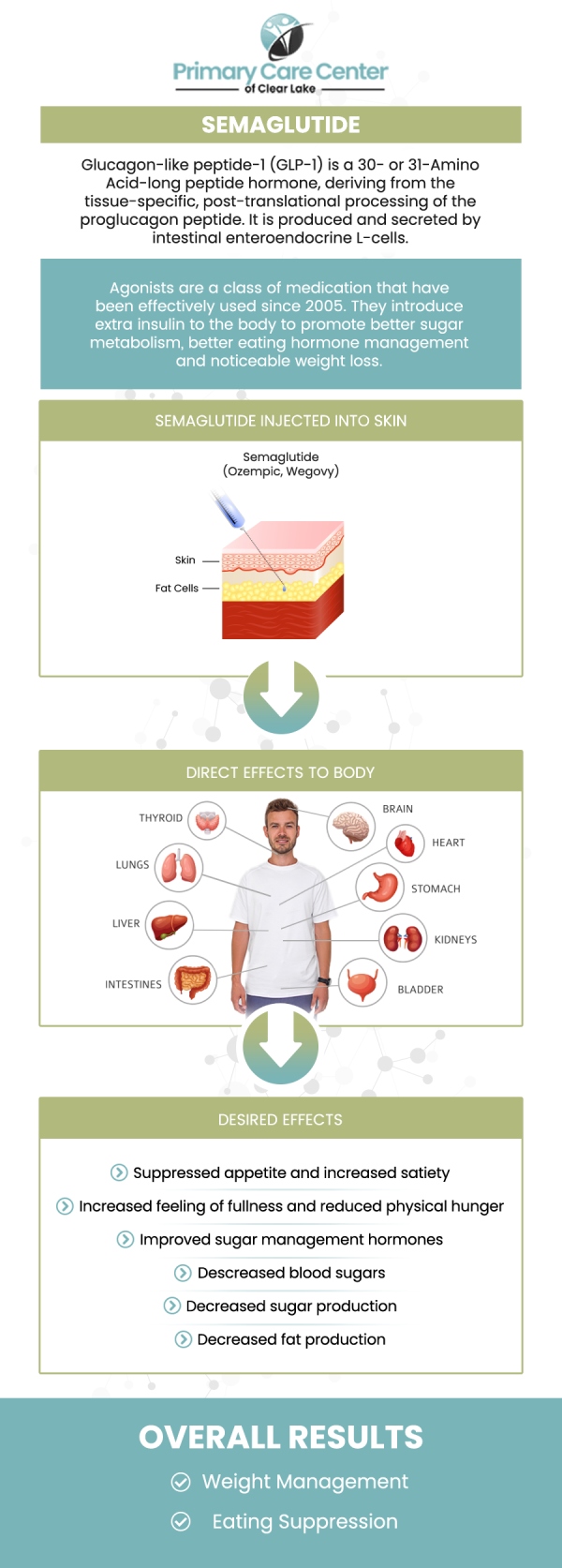
Changes in cardiac metabolism occurring during the ischemic phase of myocardial infarction (MI) include the deprivation of oxygen, nutrients, and survival factors and the accumulation of residues in cardiomyocytes, causing death cell processes and resulting in myocardial stunning and hibernation and, finally, contractile function impairment.1,2 Paradoxically, the sudden restoration of oxygen flow to the ischemic area may increase myocardial injury (so-called ischemia-reperfusion injury),3 generating reactive oxygen species, calcium overload, neutrophil infiltration, the depletion of energy stores, and changes in intracellular mechanisms that may lead to the opening of the mitochondrial permeability transition pore (MPTP).2 Thus, oxygen provision increases damage to previously ischemic cardiomyocytes and reduces the benefits of reperfusion.4 As a consequence of the abovementioned processes, mechanisms of necrotic cell death are activated during the ischemic phase and the characteristic changes of apoptosis mainly occur after reperfusion,5 with both types of cell death contributing to the final size of MI.2 The activation of reperfusion injury survival kinases (RISK) confers protection against ischemia-reperfusion injury through their antiapoptotic and antinecrotic actions.6 Specifically, cardioprotection induced after activation of the RISK pathway is mediated by the inhibition of MPTP opening, the blockade of calcium overload, and the activation of several antiapoptotic mechanisms.7 In this regard, it should be noted that therapeutic strategies designed to increase activity of the RISK pathway significantly decrease MI size.6,8 Glucagon-like peptide-1 [GLP-1 (736) amide] is a hormone derived from the proglucagon gene which is released from intestinal L cells in response to nutrient intake
.png?sfvrsn=f279473c_7)
What clinical evidence supports GLP-1 medications over diet programs
It is a natural and slow process