Reported and observed concerns include: Gastrointestinal distress (nausea, vomiting, diarrhea, constipation) Reduced nutrient intake and absorption, increasing micronutrient deficiencies Lean muscle loss, especially when weight loss is rapid Fatigue and low energy, often overlooked but frequently reported Pancreatic and gallbladder stress in susceptible individuals These side effects are not simply inconveniences they reflect underlying cellular stress during rapid metabolic change
The pulsatile nature of this release is clinically significant: it mimics endogenous GH secretion rhythms, preserving downstream IGF-1 production, protein synthesis, and fat oxidation without the sustained GH elevation that can impair insulin sensitivity
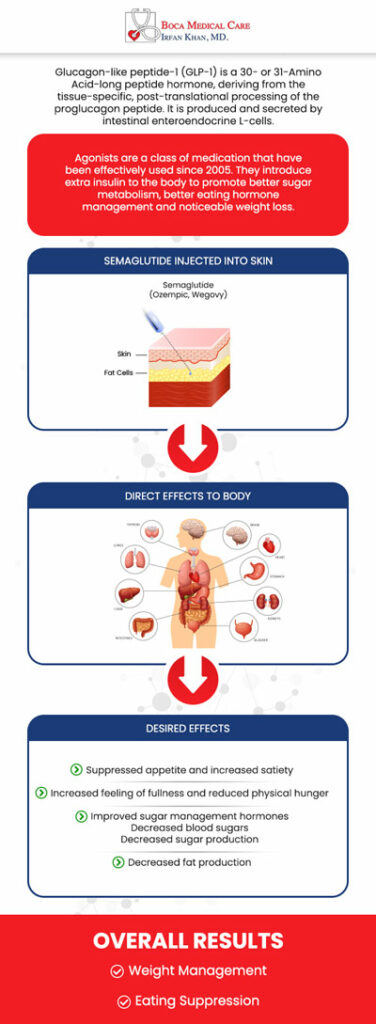
How it works: It acts like GLP-1 to control appetite and insulin, making you feel full and helping with weight loss
Similarly, research on the bacterial strain Akkermansia muciniphila has shown associations between this bacterium's abundance in the gut and improved metabolic health markers
Staying at a lower Ozempic dose with manageable side effects might be better than stopping completely