If you have stricturing disease, previous bowel obstructions, or significant gastroparesis symptoms, your gastroenterologist may have concerns about the delayed gastric emptying effects of GLP-1 agonists
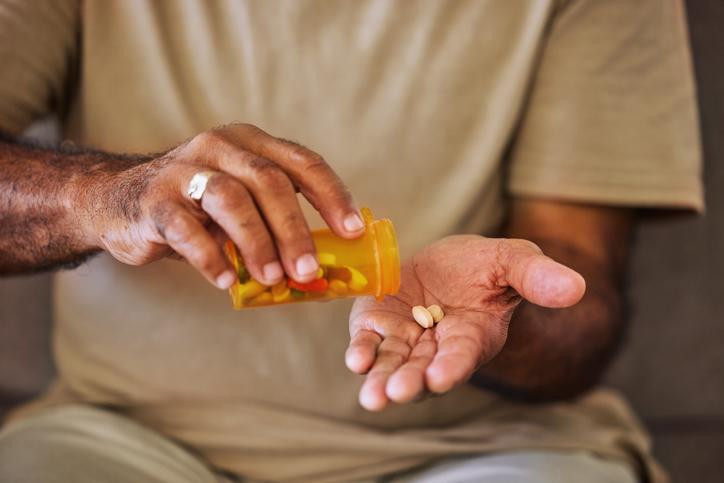
You may be a good candidate for BPC-157 if you notice: Soreness that lingers longer than it should Tightness or stiffness that makes it hard to stay consistent A joint or tendon area that flares up when you increase activity You avoid workouts because you worry you will feel worse after Slow progress with mobility and recovery habits alone The Documented Benefits of BPC-157 include: Accelerated Tissue Repair and Healing Musculoskeletal Injury Recovery Gastrointestinal (GI) Health and Protection Anti-Inflammatory and Pain Reduction Angiogenesis (Blood Vessel Formation) Neuroprotective Effects Organ Protection Expected Results From Peptide Therapy With BPC-157 The results of using BPC-157 can be life-changing, especially when it is paired with a complete recovery-focused wellness plan that includes smart movement, stretching or mobility work, and supportive nutrition
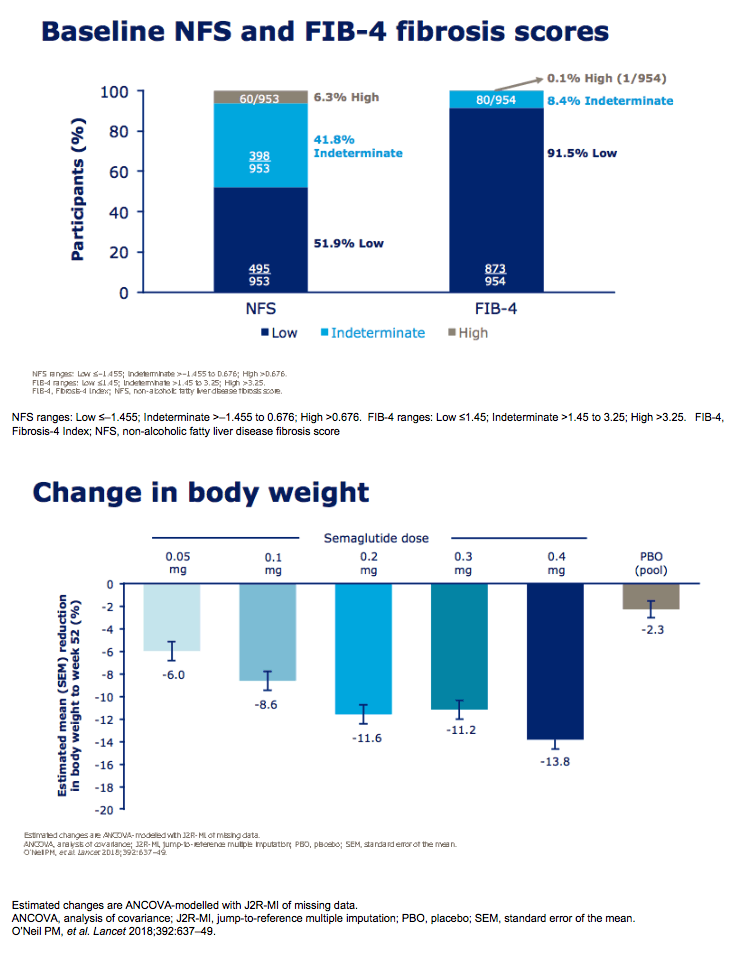
In participants with type 2 diabetes, treatment resulted in HbA1c reductions up to 2.2% at 36 weeks, with mean reductions of 1.24% across pooled analyses
The two stressors co-occur which means the two solutions should co-occur too
Neuroprotective and Antidepressant Effects of Isorhamnetin: Mechanistic Evaluations in a Reserpine-Induced Mouse Model of Pain and Depression





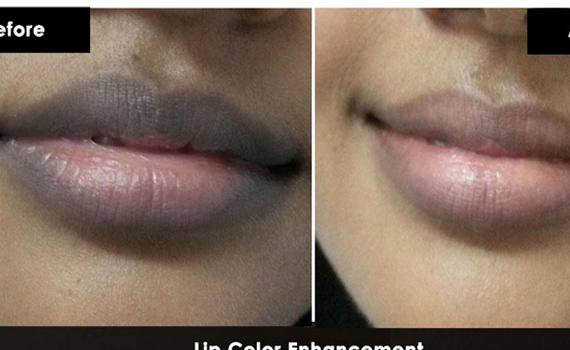

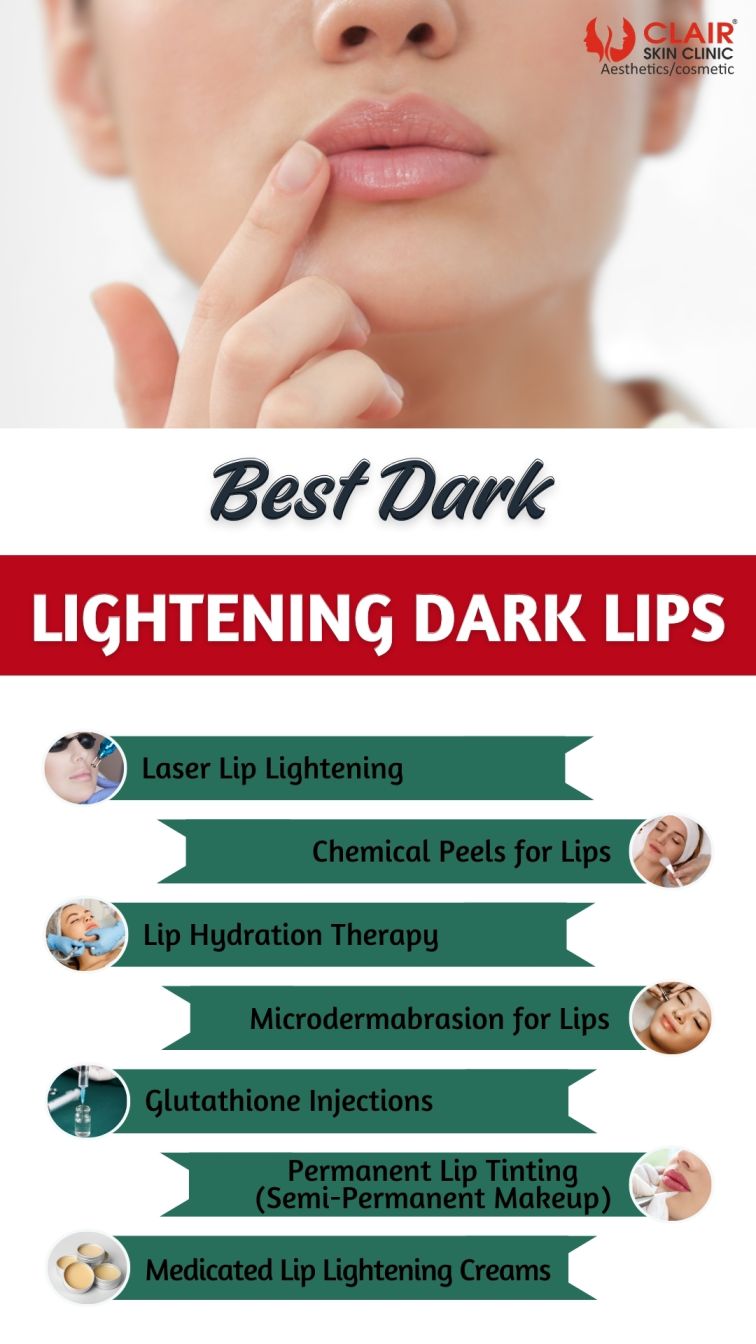


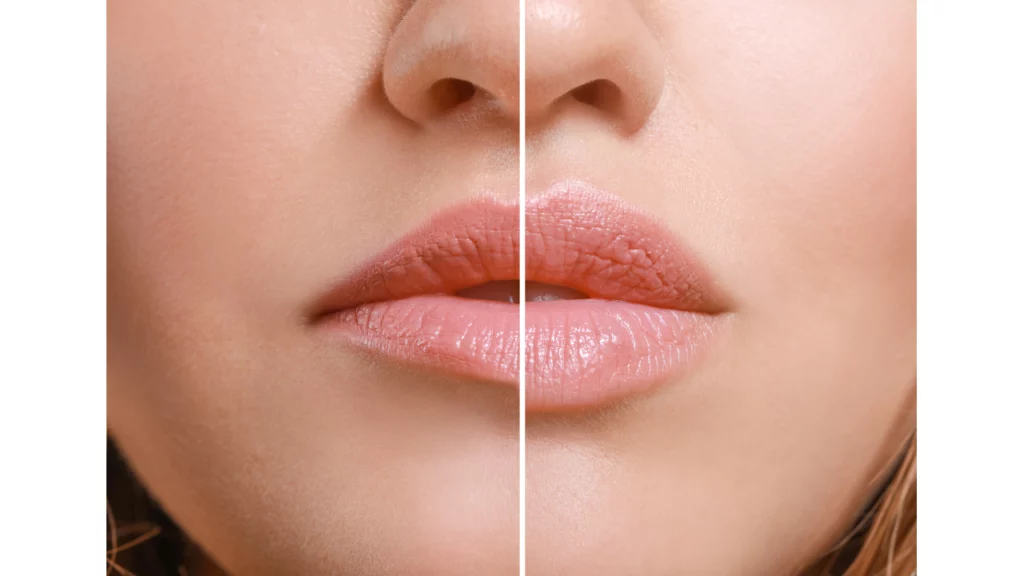


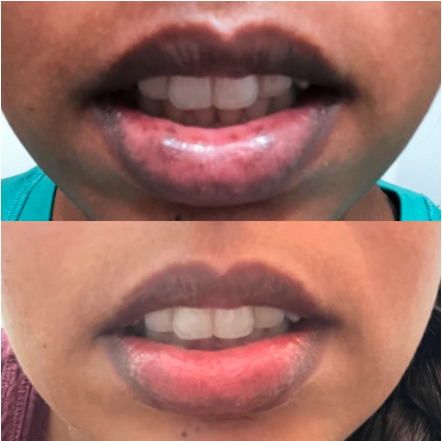

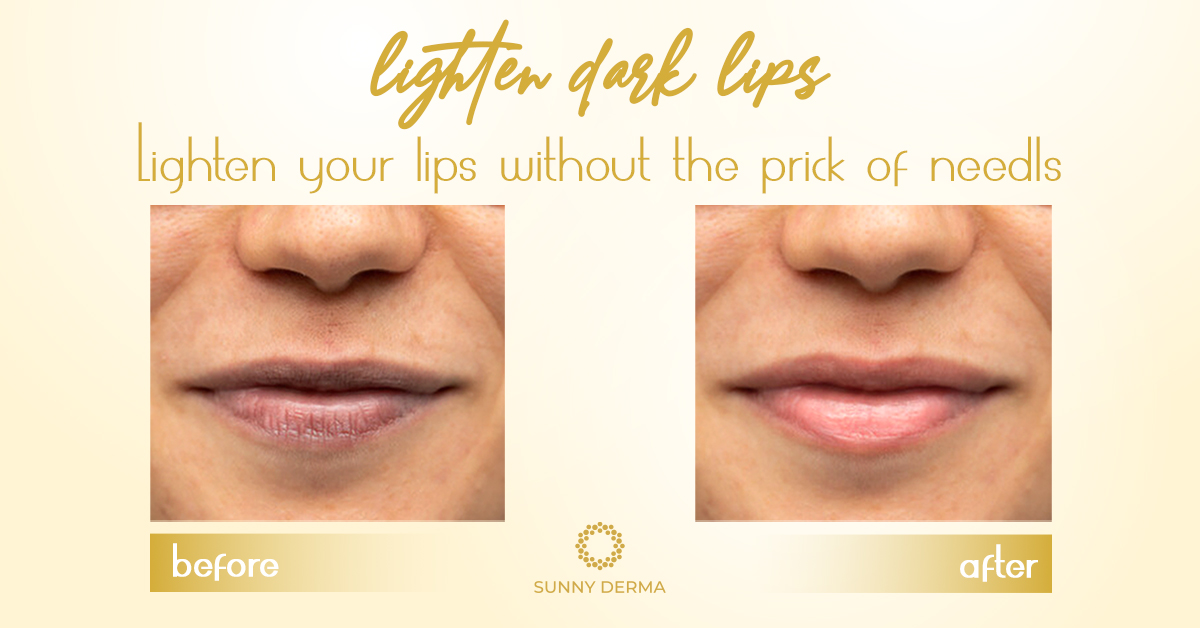

![Before&after] lip lightening experience : r/SkincareAddiction](https://preview.redd.it/before-after-lip-lightening-experience-v0-lg9gk0fdls8e1.jpeg?auto=webp&s=9ed120eab09d7991ab12669706983144f63712a9)


