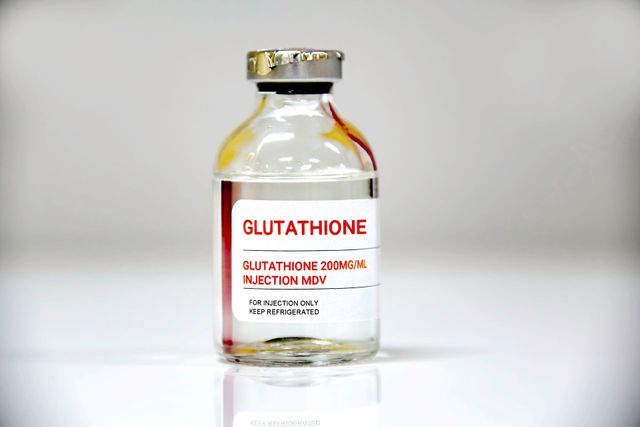
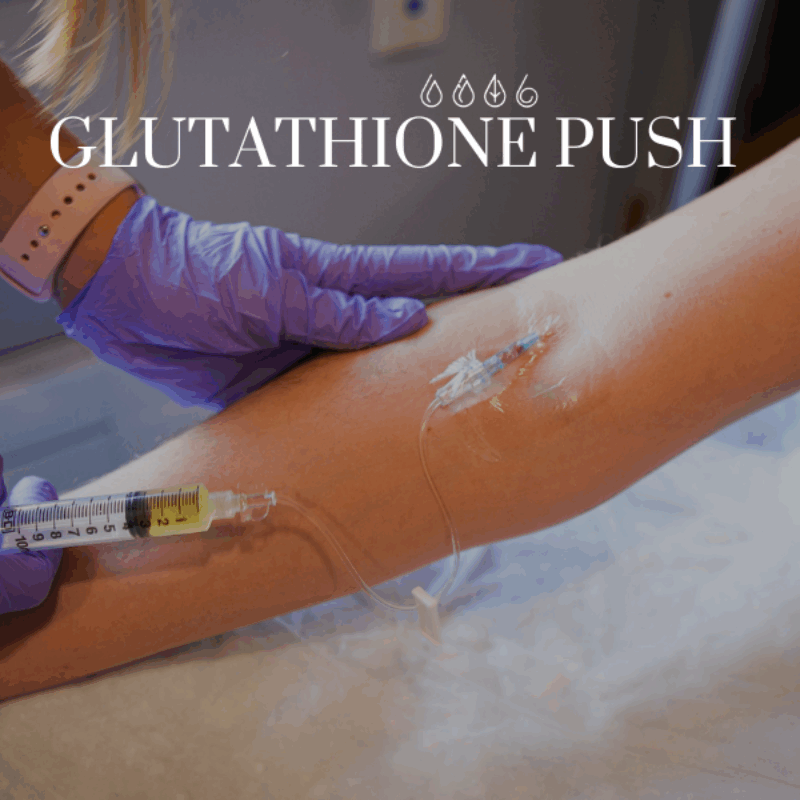
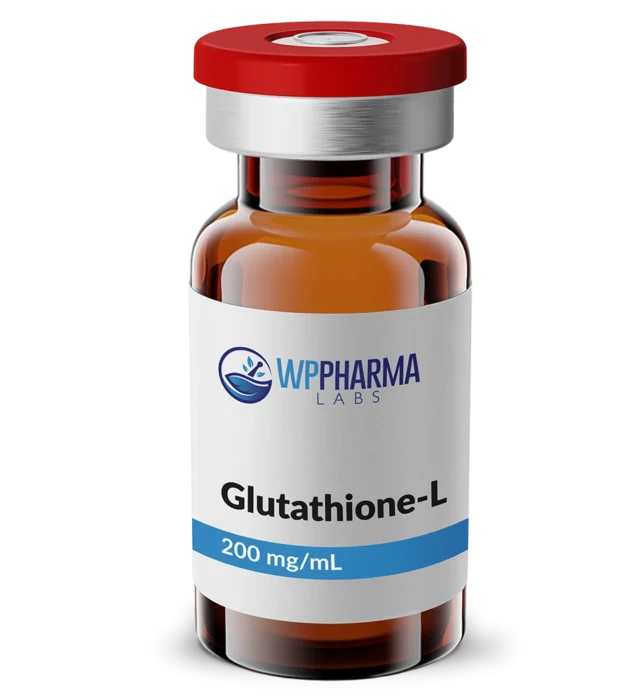
Standard reconstituted solution timeline Once reconstituted with bacteriostatic water: Maximum shelf life: 28-30 days refrigerated Never freeze reconstituted solution (destroys peptide) Clock starts immediately upon mixing Must be refrigerated (2-8C) always No room temperature storage Why 28-30 day limit: Bacteriostatic water contains 0.9% benzyl alcohol Preservative prevents bacterial growth ~30 days Peptide degradation also factors Conservative safe window Standard for all reconstituted peptides Day-by-day degradation: Temperature absolutely critical: Must refrigerate 2-8C Never leave at room temp (even hours degrade) Don't freeze (ice crystals damage peptide structure) Back of fridge (most stable temperature) Not in door (temperature fluctuates) Why freezing reconstituted solution fails: Ice crystals form in solution Crystals physically damage peptide bonds Copper-peptide complex disrupted Thawing doesn't restore structure Completely ineffective after freeze-thaw Common mistake: Thinking "frozen = longer shelf life" TRUE for powder, FALSE for liquid Reconstituted = refrigerate only Critical distinction See how long reconstituted peptides last guide

Other methods like injectables or pills are still experimental and aren't as well studied
Our glutathione is made up of 3 amino acids, glutamine, cysteine and glycine
These would include those who are pregnant or actively breastfeeding, as well as those with specific medical disorders and allergies
Glutathione: The Skincare Ingredient You Need to Know About In the ever-evolving world of skincare, where powerhouse actives like hyaluronic acid, vitamin C, niacinamide, and retinol dominate the conversation, a lesser-known skincare ingredient is quietly gaining traction: glutathione