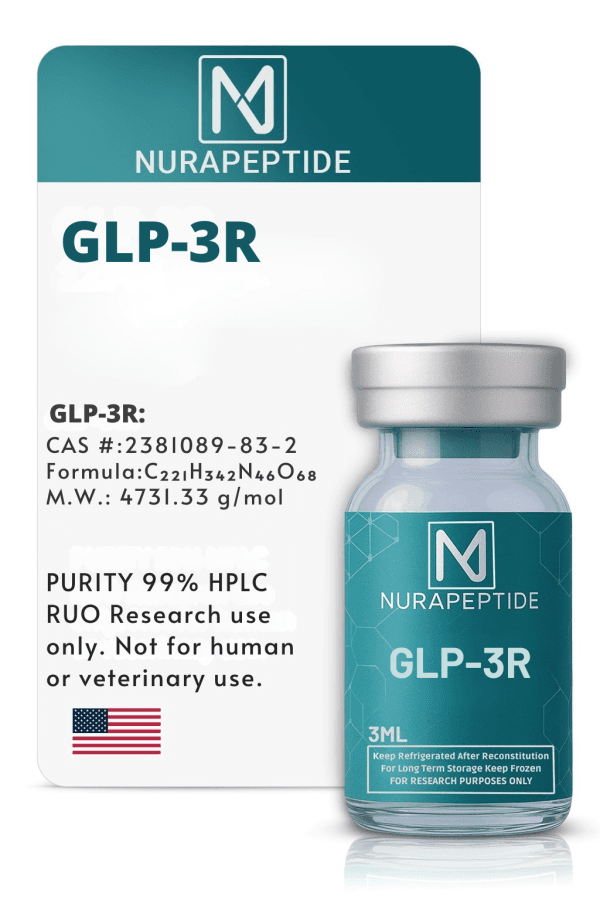
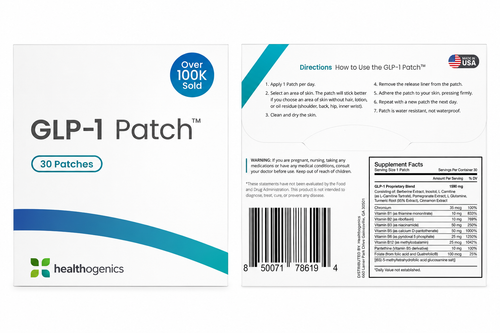
Research-grade quality Supplied for laboratory handling
The exact cause of rosacea is unknown, but several factors may contribute: Genetics An overactive immune response Environmental triggers, such as sun exposure, wind, extreme temperatures Certain foods and drinks, such as spicy food, alcohol, hot beverages Stress or emotional changes Skin mites or bacteria Managing Rosacea: Treatment & Prevention While there is no cure for rosacea, effective strategies can help manage symptoms and reduce flare-ups
The terminal half-life of MEDI4166 in cynomolgus monkeys based on Fc and GLP-1R activity in the 100 mg/kg (sc) group were determined to 147 and 116 h respectively (Supplementary Table 4)
The results clearly indicated that the five glutathione mutants had shorter roots on control plates than the WT already after 4 days (Supplementary Figure S2)
In animal studies (NIH), thymosin beta-4 has been shown to enhance wound healing, ligament healing, and muscle repair, and may even help with brain and nerve injuries