Monitor urine color as a hydration indicatorpale yellow suggests adequate hydration, while dark yellow or amber indicates the need for more fluids Increase fluid intake during episodes of nausea, vomiting, or diarrhea to compensate for losses and prevent dehydration Sip water throughout the day rather than consuming large volumes at once, which may worsen nausea Consider oral rehydration solutions (available over-the-counter) if experiencing persistent diarrhea or vomiting, as these replace both fluids and electrolytes Moderate caffeine intake , as it can have mild diuretic effects, though regular caffeine consumers typically develop tolerance to this effect Patients experiencing persistent nausea may find it challenging to maintain fluid intake
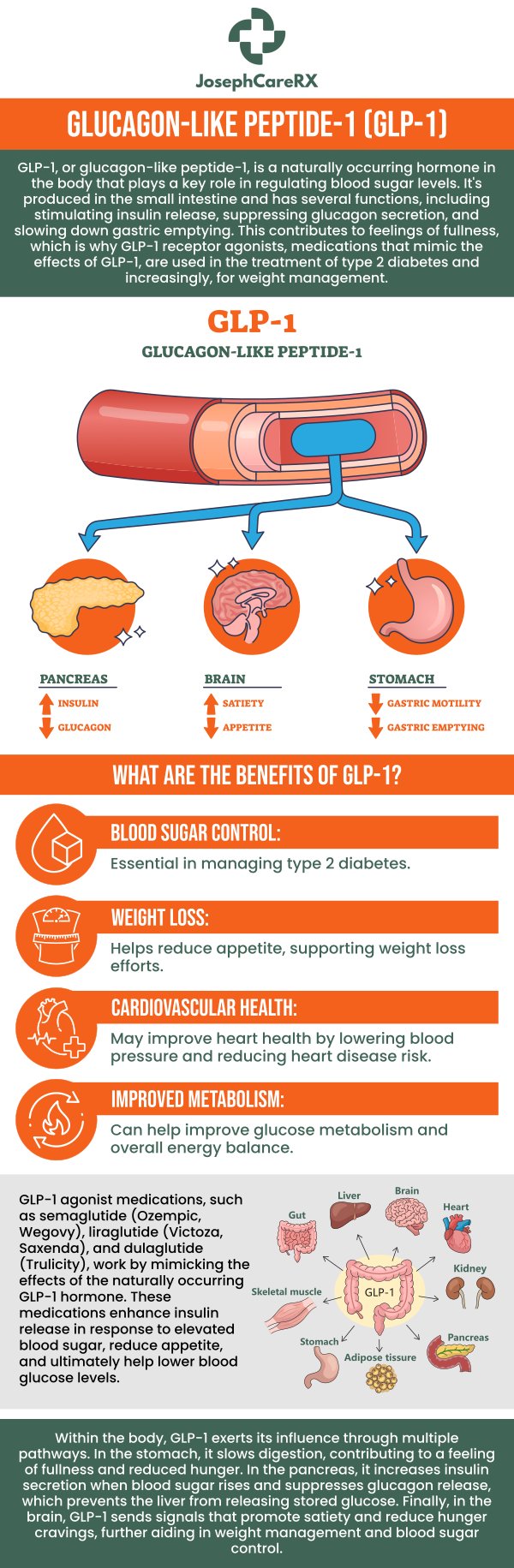
GLP-1 In Response to a Meal And that leads right into the second problem: instead of looking at the average number over the entire day, lets take a look at GLP-1 production after a meal
Opt for comfortable, stretchy clothing while your body adjusts to the medication
The Mechanism: Extracellular Matrix as Performance Infrastructure Collagen constitutes approximately 30 percent of total protein mass in the human body and 65 to 80 percent of tendon dry weight
The InsideTracker article provides readable context about human dose ranges tissue effects and the common finding that improvements are modest and vary by study