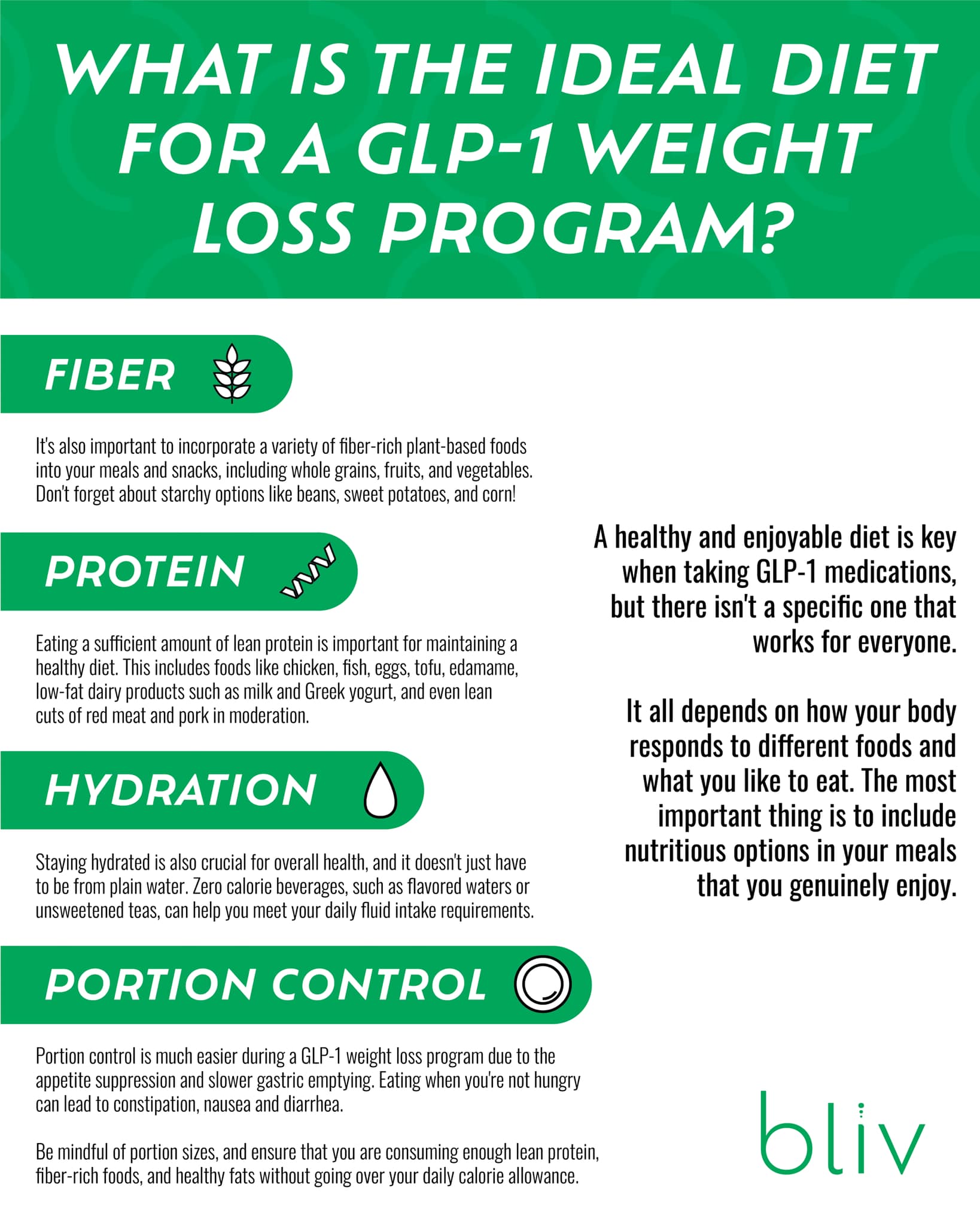
Nutrition therapy recommendations for the management of adults with diabetes
The potential risks include digestive discomfort, gas, and bloating. They can also reduce the absorption of certain medications like lithium, certain antidepressants, digoxin, diabetes medications, bile acid sequestrants, and carbamazepine
Cagrilintide's safety profile from Phase 3 (REDEFINE 1) showed: GI adverse events (nausea 44%, vomiting 24%, diarrhea 20%) comparable to semaglutide alone
Perhaps most striking are findings from the large-scale PREDIMED study in Spain
Primary Use Cases for Glutathione Therapy Glutathione therapy is commonly used for: Detoxification and liver support Immune system support Skin brightening and overall skin health Reducing oxidative stress Recovery from illness or toxin exposure What Results Typically Feel Like Compared to NAD+, glutathione tends to work faster: Many people notice effects the same day or within hours Effects are shorter-lived compared to NAD+ How NAD+ and Glutathione Are Different The key distinction: NAD+ builds and repairs