How Its Administered Taken orally as a standard capsule or tablet Doses typically range from 2501,000 mcg per serving, often once or twice daily No mixing or refrigeration required Pros Convenient and needle-free Travel-friendly and easy to store Familiar supplement format (great for compliance) May offer limited GI tract effects if it survives digestion Cons Very low bioavailability due to breakdown in stomach acid No clinical research validating capsule efficacy May contain unverified peptide content or underdosed formulas Often marketed as dietary supplements, not research-grade peptides Best For Casual users seeking convenience or placebo-based support Individuals with mild digestive discomfort looking for a general gut health product Users who cannot access injectable or oral liquid BPC157, but still want to try the compound If considering capsules, look for third-party testing and clear labeling of dosage and peptide identity many products on the market may not contain actual BPC157
.png)
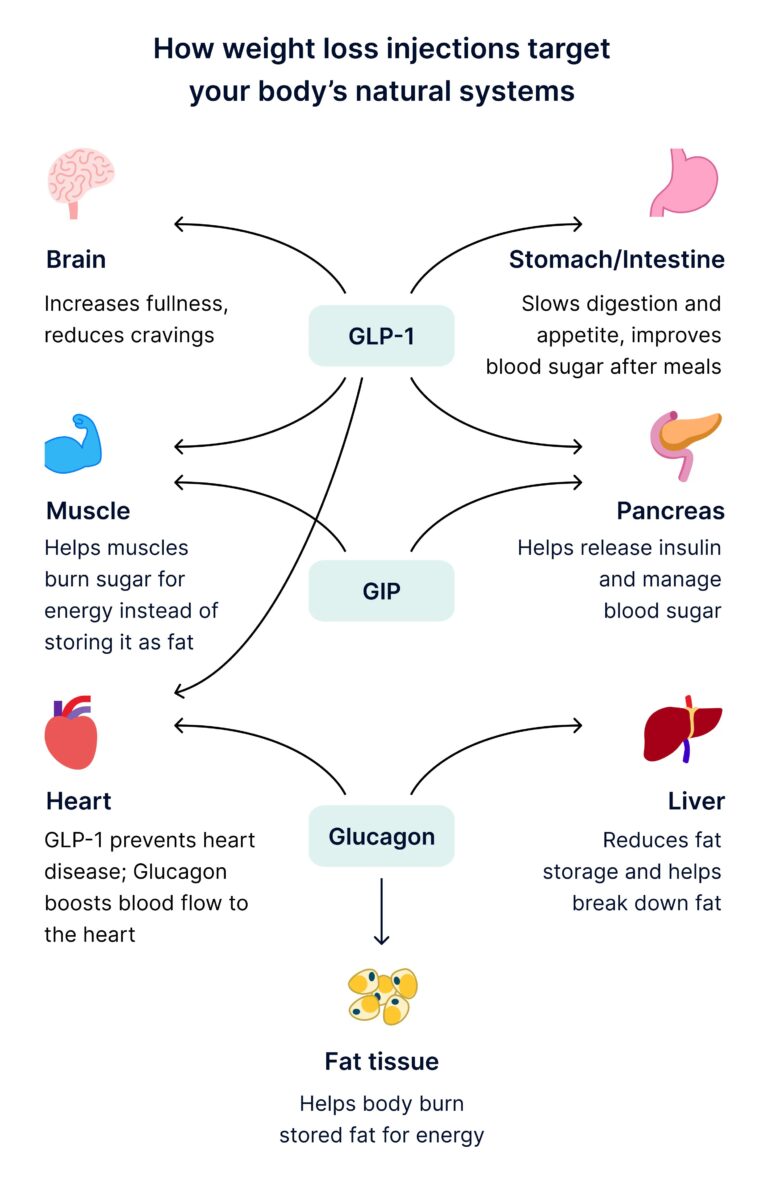
Today, several GLP-1 diabetes medications are indicated for improving blood sugar control in people with Type 2 diabetes (see table above)
1 capsule contains: L-histidine (free-form) 50 mg L-isoleucine (free-form) 79 mg L-leucine (free-form) 138 mg L-lysine (HCl) 150 mg L-methionine (free-form) 77 mg L-phenylalanine (free-form) 58 mg L-threonine (free-form) 68 mg L-valine (free-form) 75 mg Vitamin C (as ascorbyl palmitate) 9 mg Flavonoids Flavonoids are antioxidants derived from plants
Ya sea examinando la fisiologa del sueo y los mecanismos del sueo delta, investigando los trastornos del sueo y la mejora de la calidad del sueo, explorando los beneficios cognitivos y emocionales de un mejor sueo, examinando los mecanismos de resiliencia al estrs, o investigando el declive del sueo relacionado con el envejecimiento y la longevidad, el DSIP ofrece a los investigadores una herramienta potente y mecnicamente clara para comprender cmo se puede mejorar la calidad del sueo y cmo el sueo profundo respalda la restauracin fisiolgica
The metabolic adaptations from consistent use appear to persist even with dose reduction in many cases