The Promising Findings GHK-Cu has the most robust human evidence, particularly for topical skincare applications BPC-157 shows impressive results in animal studies for wound healing, collagen production, and tissue repair Peptides generally have favorable safety profiles in the studies that exist The mechanisms make biological sense: peptides do play real roles in healing The Limitations Most studies on BPC-157 and TB-500 are animal-based, not human There are no standardized dosing protocols for most injectable peptides Long-term safety data in humans is limited Many peptides are not FDA-approved for cosmetic or surgical recovery purposes Quality control varies widely between compounding pharmacies Important: Many injectable peptides are classified as research compounds and are not approved for human use outside of clinical trials
Enns, GM, Cowan, TM 2017, Glutathione as a Redox Biomarker in Mitochondrial Disease Implications for Therapy, Journal of Clinical Medicine , vol
Why this belongs in a clinic Every risk above is reduced by the same things: the right needle, a clean field, correct site selection, a steady pace, and a single-use needle each time
Delivering glutathione directly into the bloodstream ensures nearly 100% absorption, bypassing the digestive system
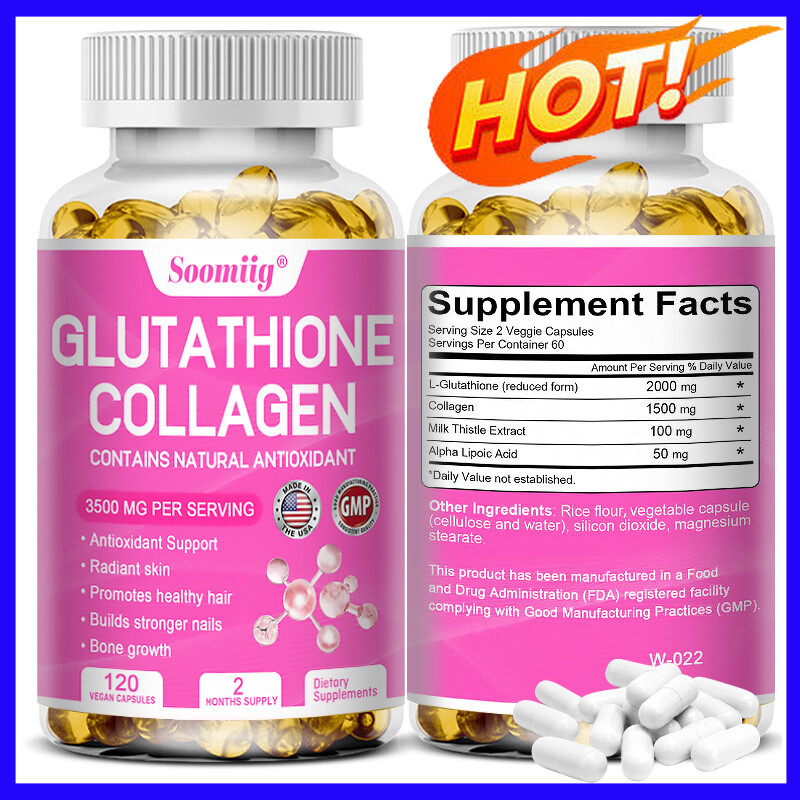
Oral supplements face challenges in the digestive system, where absorption can be low, mainly in those with certain gut issues