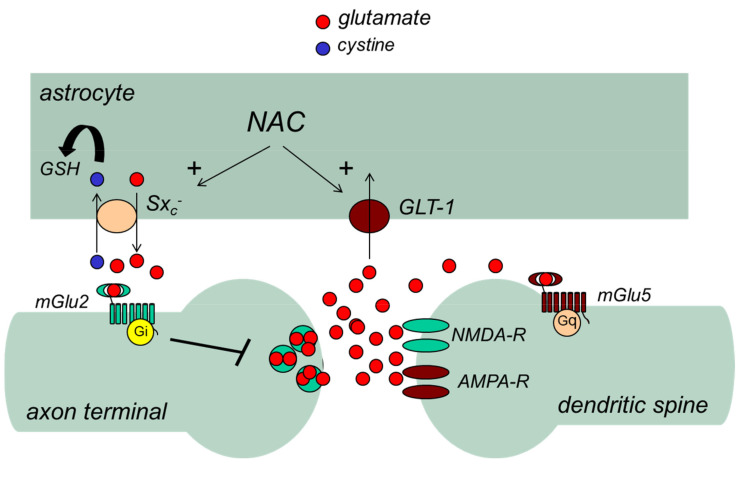
Some researchers describe this as creating lasting changes in synaptic architecture, not just a transient neurochemical boost
In 1993, it was discovered that Wilsons disease was caused by a mutation in the ATP7B gene, on chromosome 13, which resulted in absent or reduced function of a copperchaperone protein, ATP7B.14 ATP7B is a metal-transporting P-type ATPase, located on the trans-Golgi complex of the hepatocyte.15 The ATP7B protein is necessary for transport of copper into vesicles that form lysosomes for excretion into the bile
Brown CW, Amante JJ, Goel HL, Mercurio AM
TB-500 corresponds to the active region of Thymosin Beta-4, a naturally occurring 43-amino-acid protein involved in regulating the actin cytoskeleton
What research areas use BPC-157