FDA materials flag compounded injectable GHK-Cu as a safety concern because human safety data are limited [8]
Research has examined its role in: Stimulating collagen and elastin synthesis in fibroblast cultures Modulating matrix metalloproteinases (MMPs) and their inhibitors (TIMPs) Promoting angiogenesis and endothelial cell recruitment Regulating gene expression across thousands of human genes Supporting tissue remodelling in wound, lung, bone, and gastrointestinal models Investigating anti-inflammatory and antioxidant pathways GHK-Cu and Collagen Synthesis Research Research published in FEBS Letters confirmed that GHK-Cu stimulates collagen synthesis in fibroblast cultures, with stimulation beginning between 10 and 10 M, reaching maximum effect at 10 M, independently of any change in cell number
The proposed mechanism depends entirely on the peptide
Hakim employs comprehensive gut healing protocols based on advanced testing of microbiome composition, intestinal permeability, and digestive function, recognizing the central importance of gut health in achieving lasting improvement in autoimmune conditions
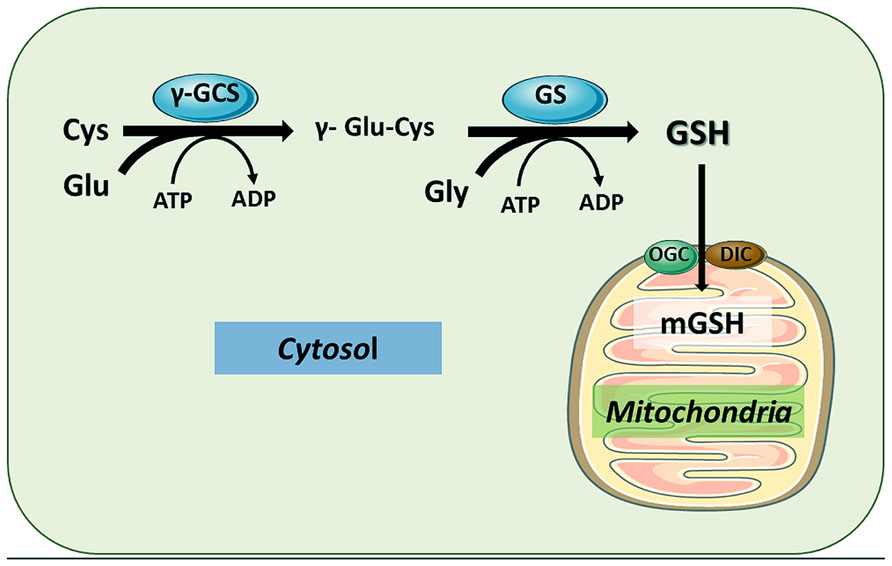
Oxidative stress damages sperm DNA









.png)