They will monitor your kidney function and blood sugar levels, adjusting your treatment plan as needed
In another study, Boland et al
Summary: Ozempic (semaglutide) does not commonly cause thirst, but some patients report it due to dehydration from gastrointestinal side effects or as a sign of hyperglycaemia
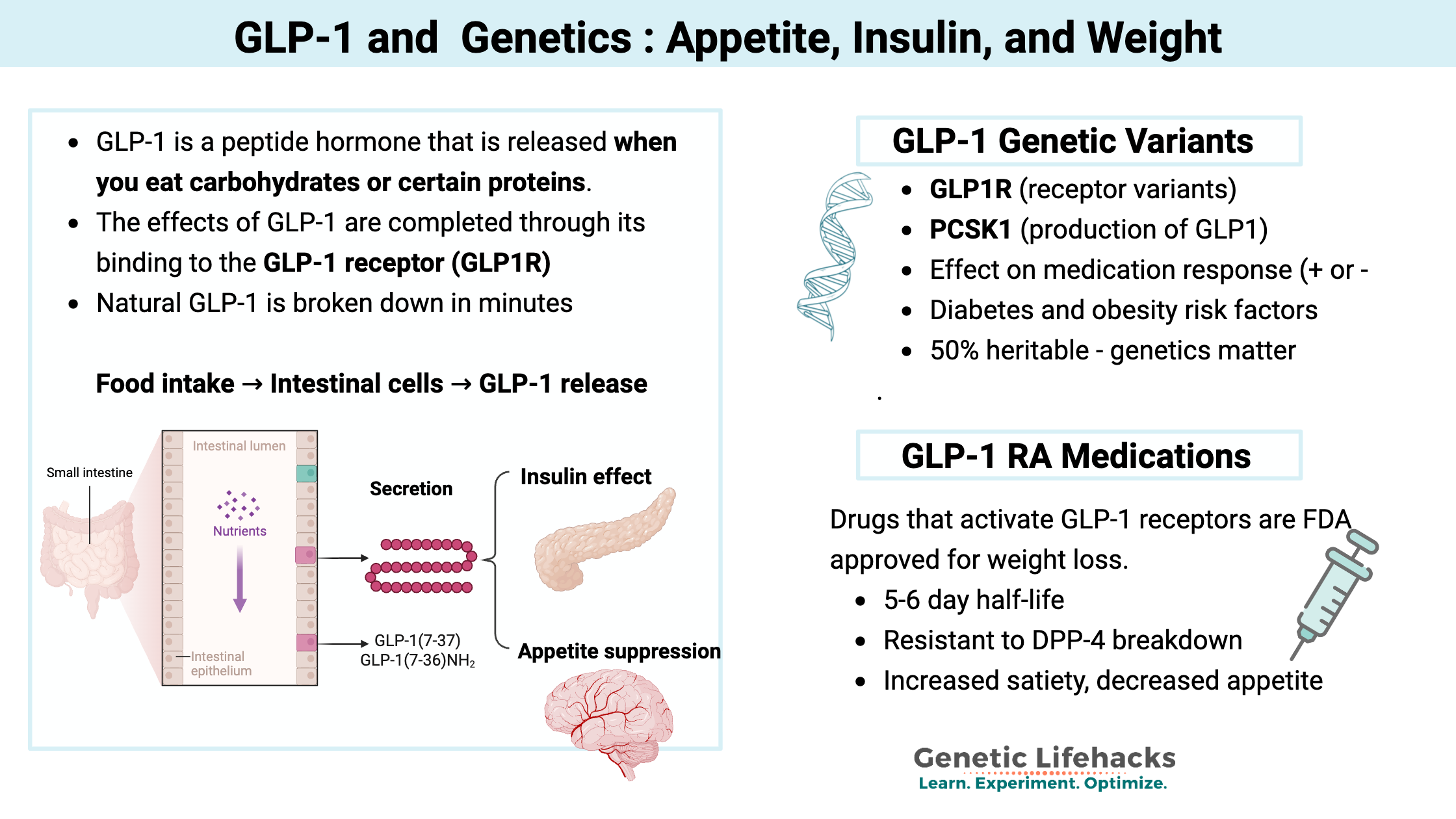
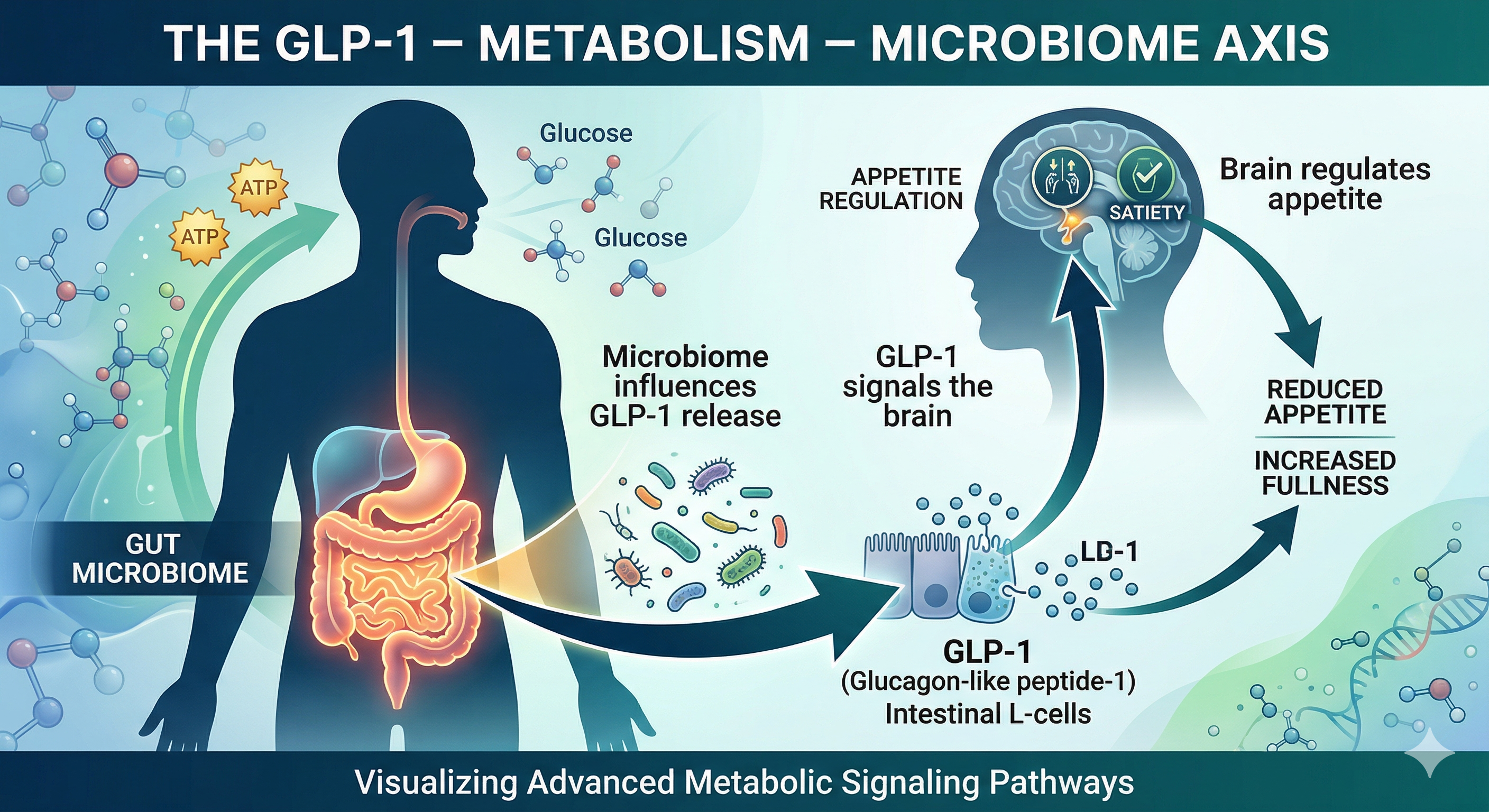
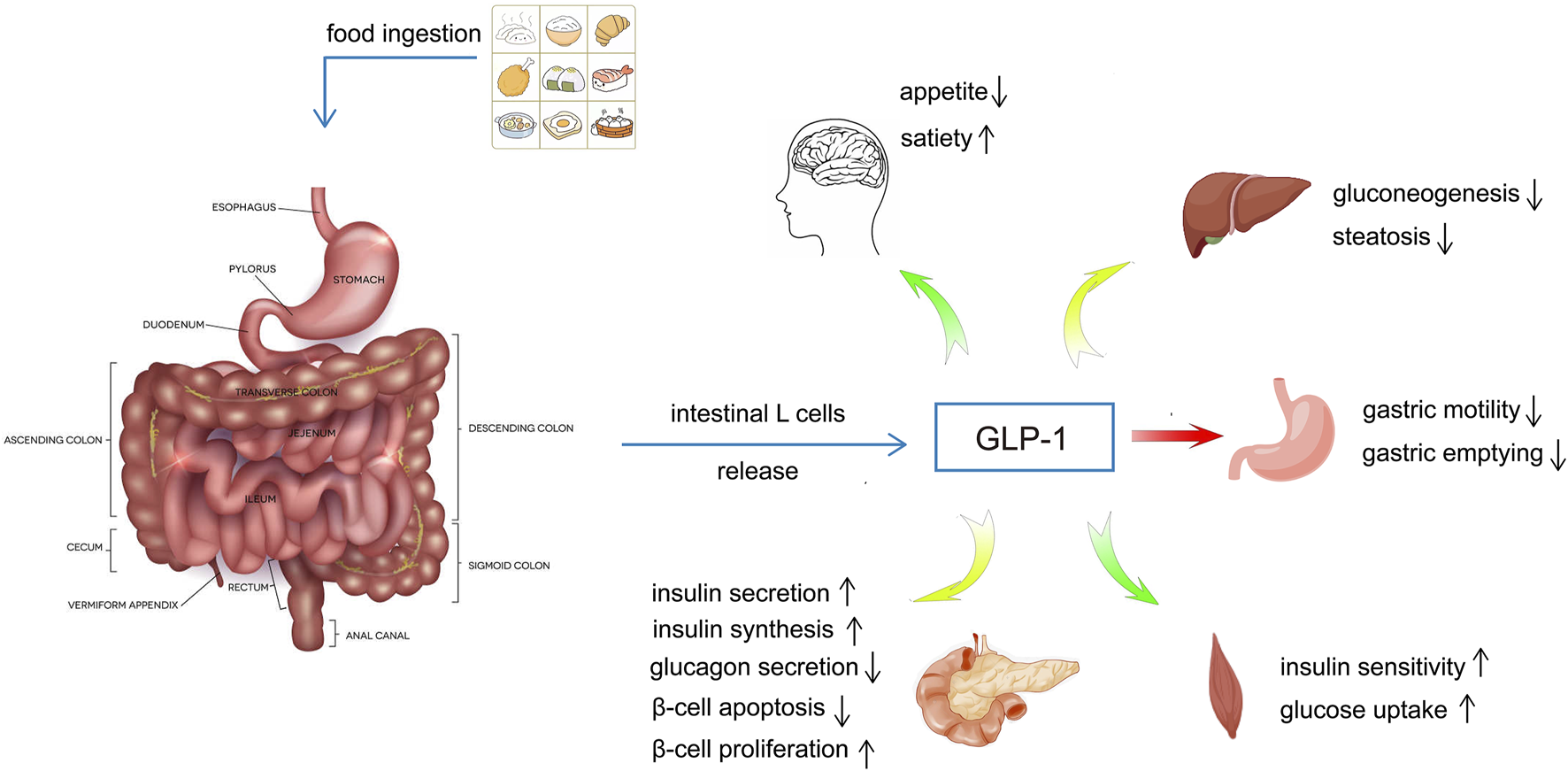
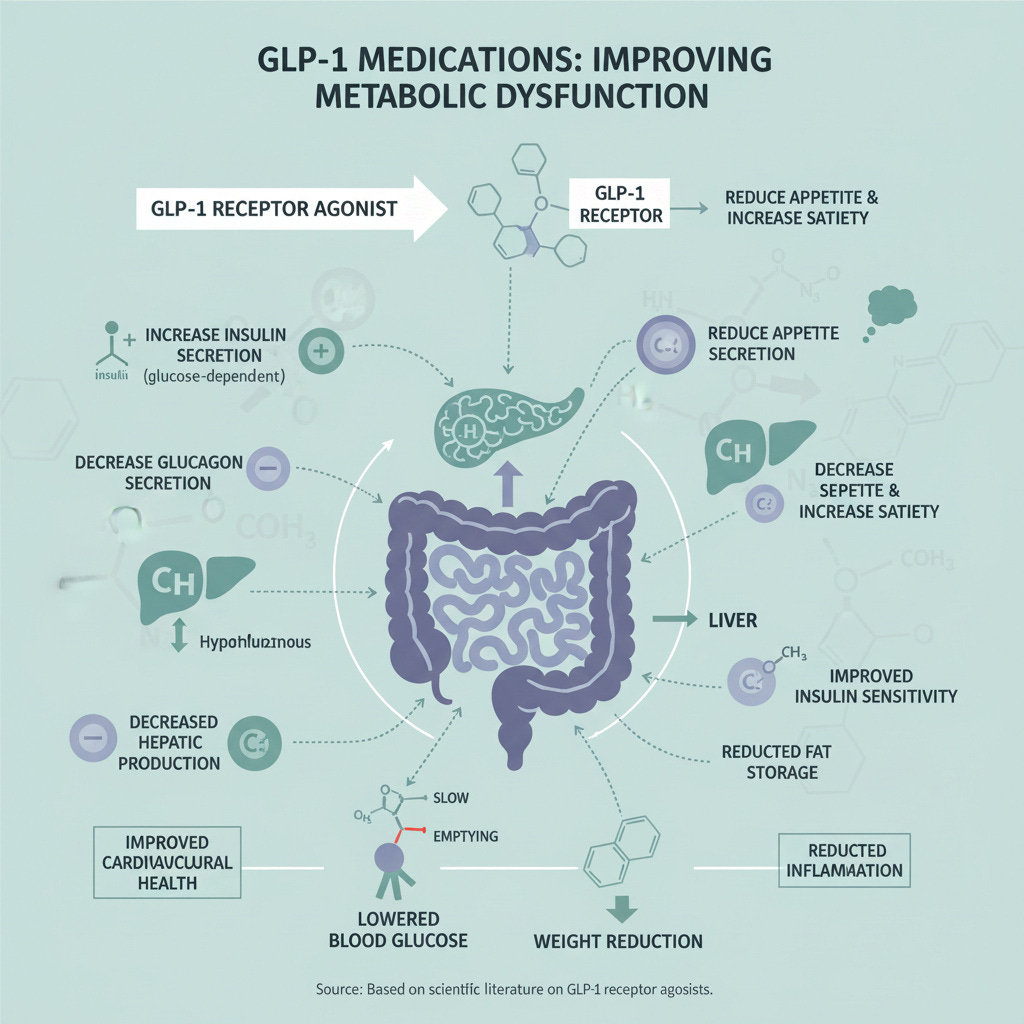
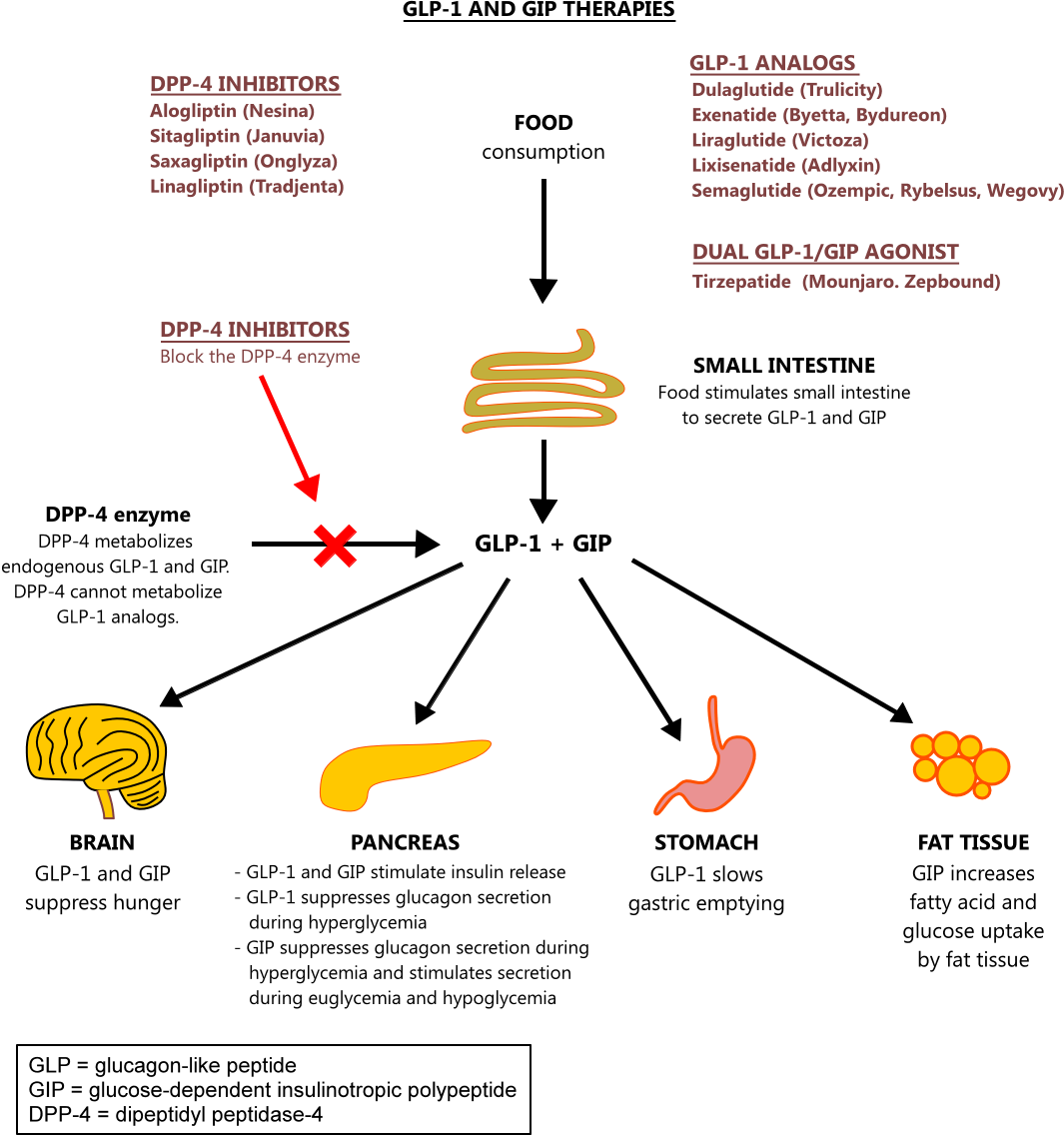
[4] [5] Semaglutide works by mimicking the incretin hormone GLP-1, which stimulates insulin secretion in a glucose-dependent manner, suppresses glucagon release, slows gastric emptying, and reduces appetite through central nervous system pathways
[1] The MHRA, NICE and NHS provide comprehensive guidance on the safe prescribing and monitoring of GLP-1 agonists, emphasising the importance of patient education regarding expected side effects and warning signs that warrant medical attention