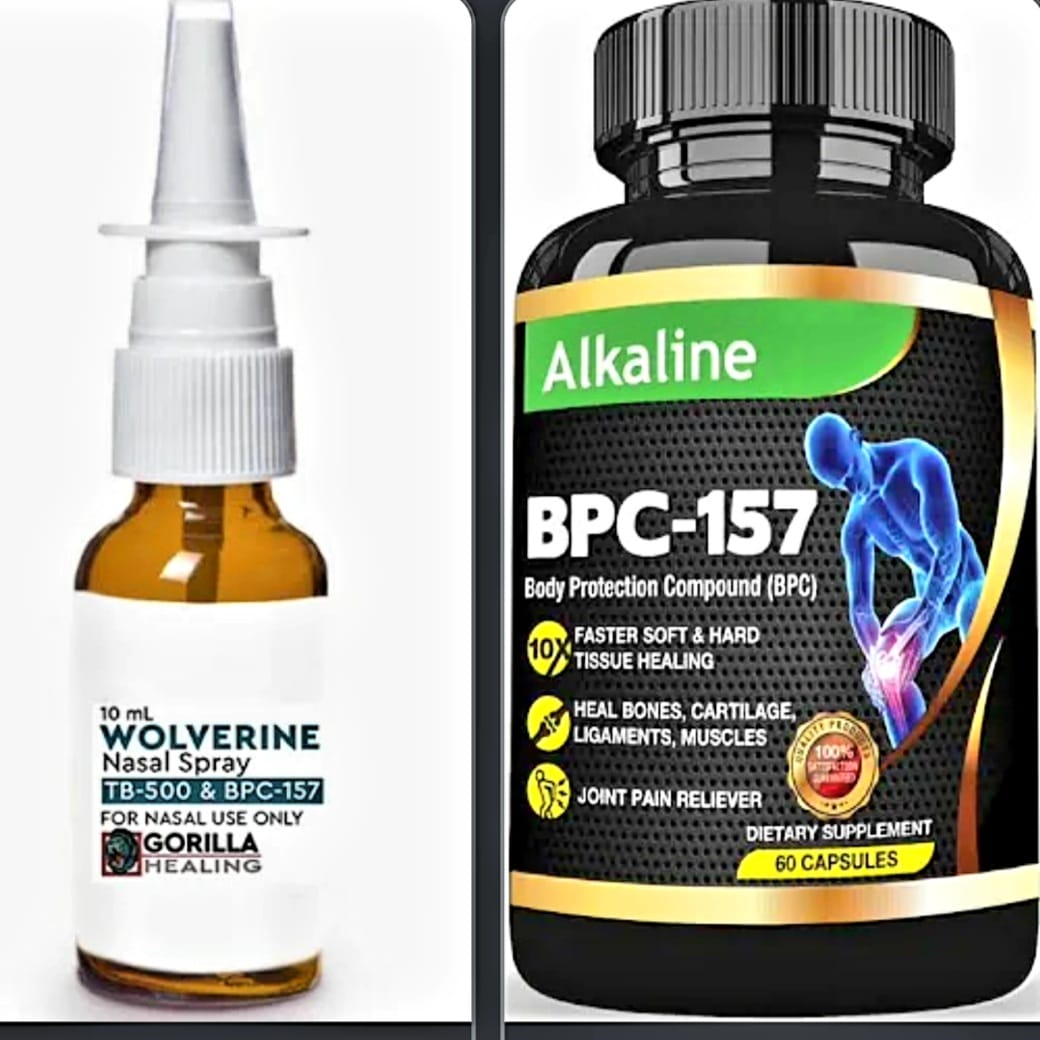
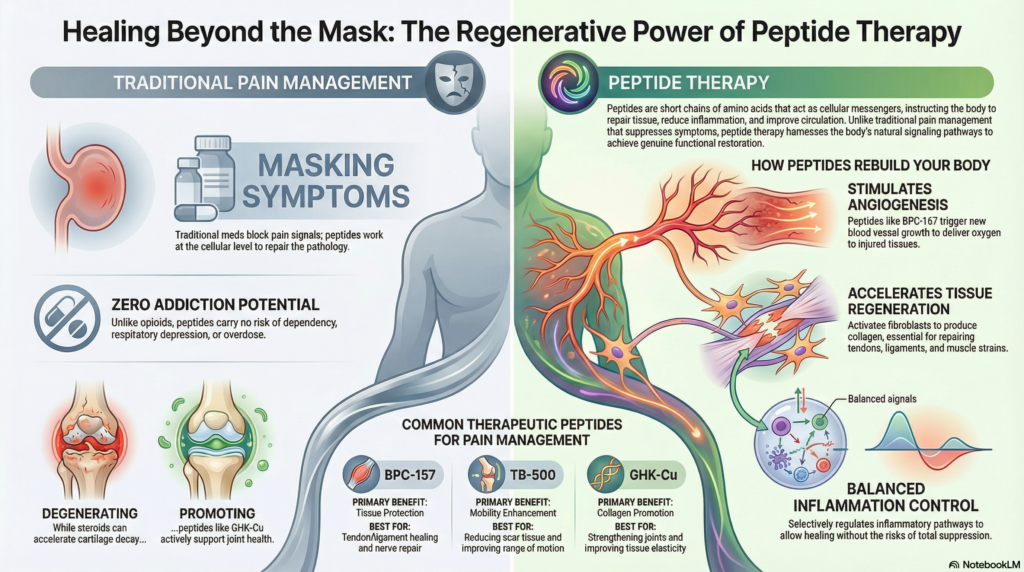
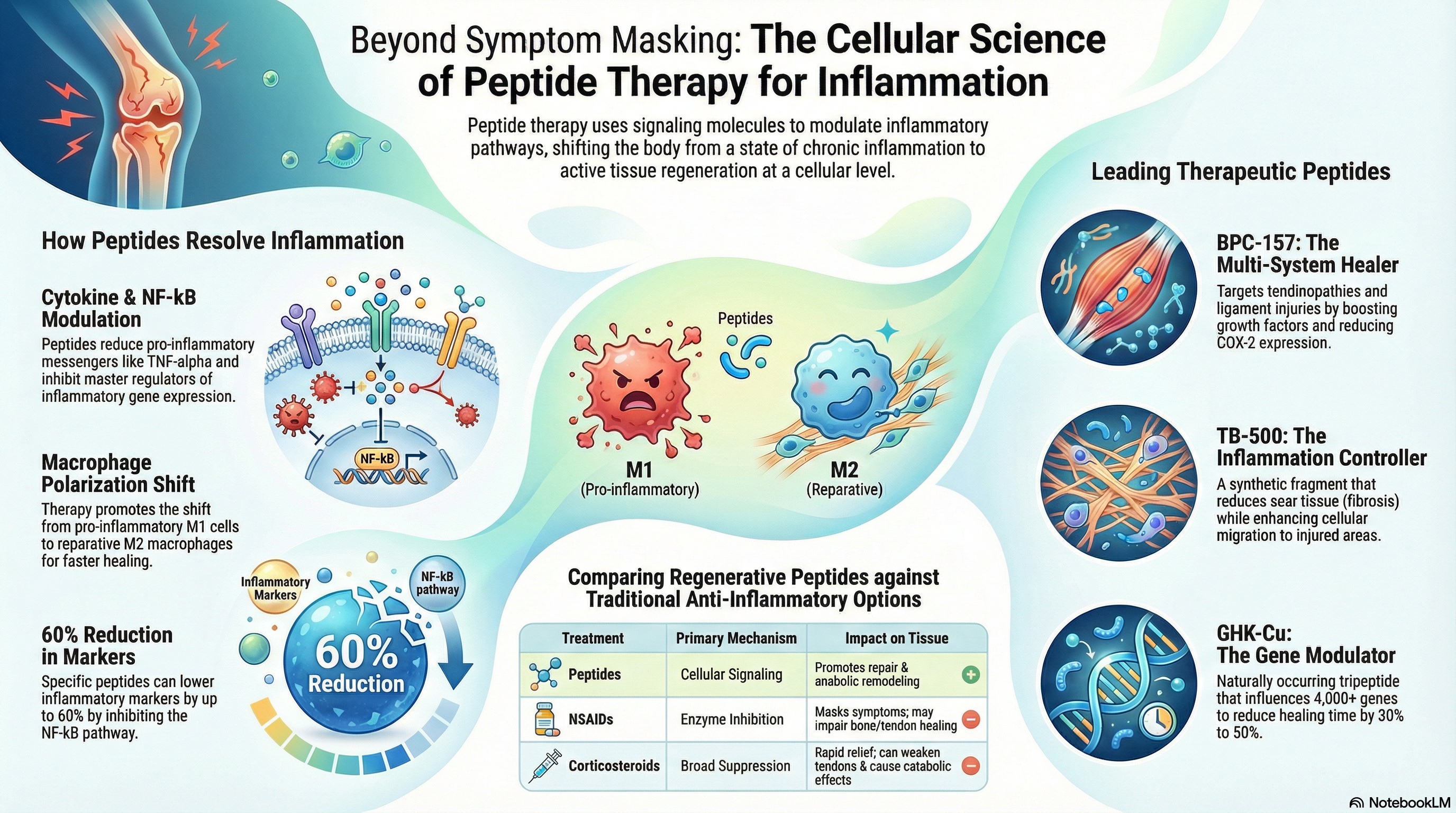
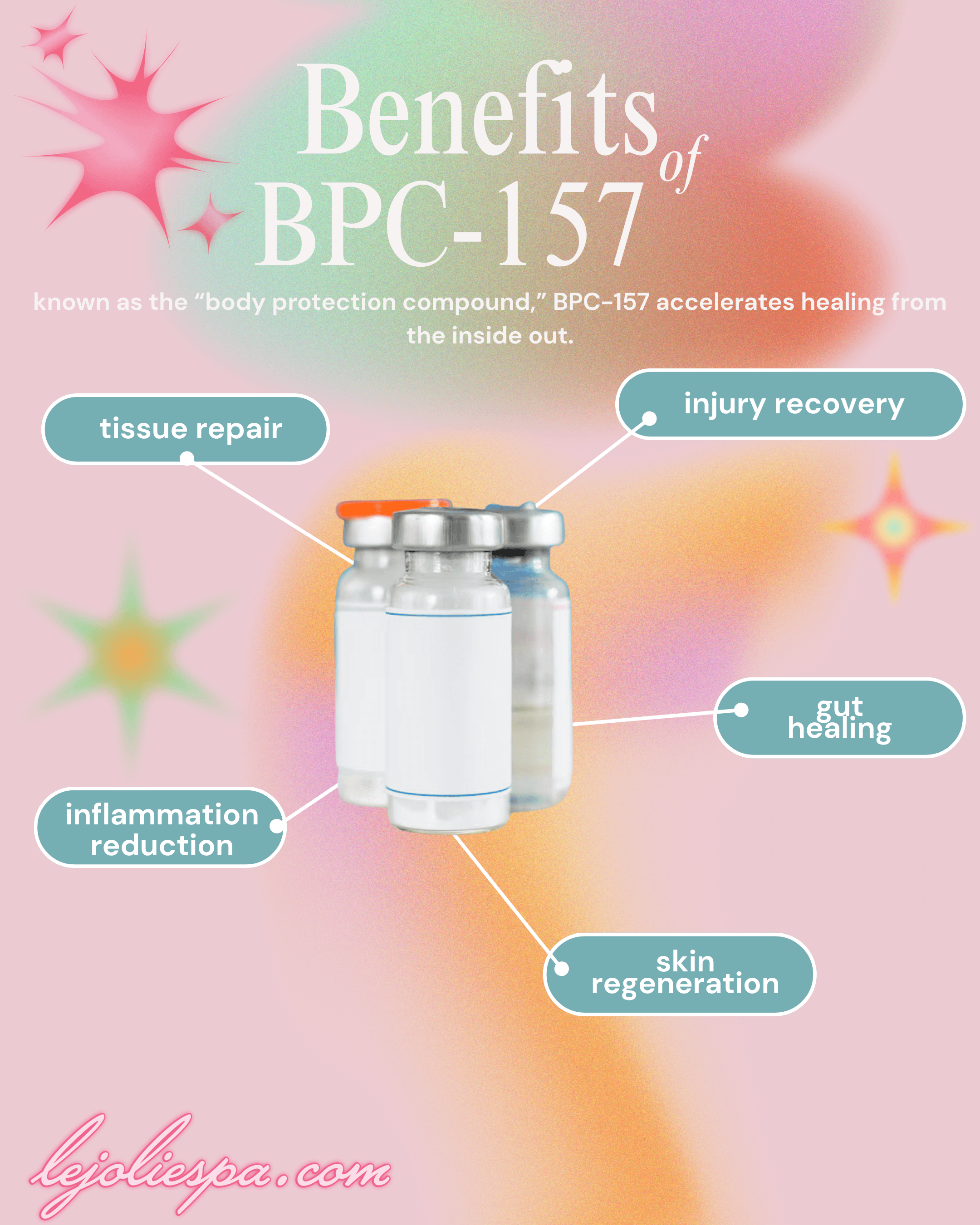
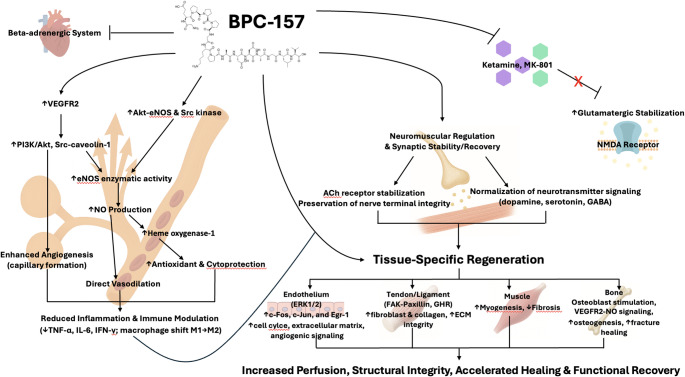
However, we need to be very careful with the word better. We do not currently have large, high-quality human clinical trials proving that BPC-157 is an effective treatment for tendon injuries, ligament injuries, or muscle tears
However, the degree of islet innervation is unclear, particularly in humans, and recent evidence suggests only sparse sympathetic innervation of human islets 26,27,28,29,30,31,32
In organotypic hippocampal slice cultures, Dihexa and Nle-AngIV similarly augmented spinogenesis, with control slices showing 7 spines per 50-m dendrite length, compared to 11 for both Dihexa and Nle-AngIV treated slices [1]
Clean Sourcing: Are there synthetic fillers or artificial colors
Current Pharmaceutical Design , 2020 If you're considering using BPC-157: Start with a low, effective dose and clear goal Limit cycles to 26 weeks Source only pharmaceutical-grade peptides Monitor your bodys response closely Speak to a qualified healthcare provider if unsure For more on how to dose and cycle BPC-157 effectively, read: BPC-157 Dosage Guide: How Much Should You Take for Recovery and Injury Healing And if you want to build a complete peptide stack for recovery, explore: The Best Peptides for Recovery: BPC-157, TB500, MK-677, Ipamorelin, CJC-1295, and More Used responsibly, BPC-157 may be one of the most valuable tools in your recovery, performance, or injury repair toolkit