In addition, semaglutide use is not advised during pregnancy or breastfeeding, and women attempting to conceive should discontinue semaglutide medications at least two months prior to conception, as it can impact fertility.7 While there are typically no dose adjustments required for patients with renal or hepatic impairment, careful monitoring is advised for individuals who have had bariatric surgery

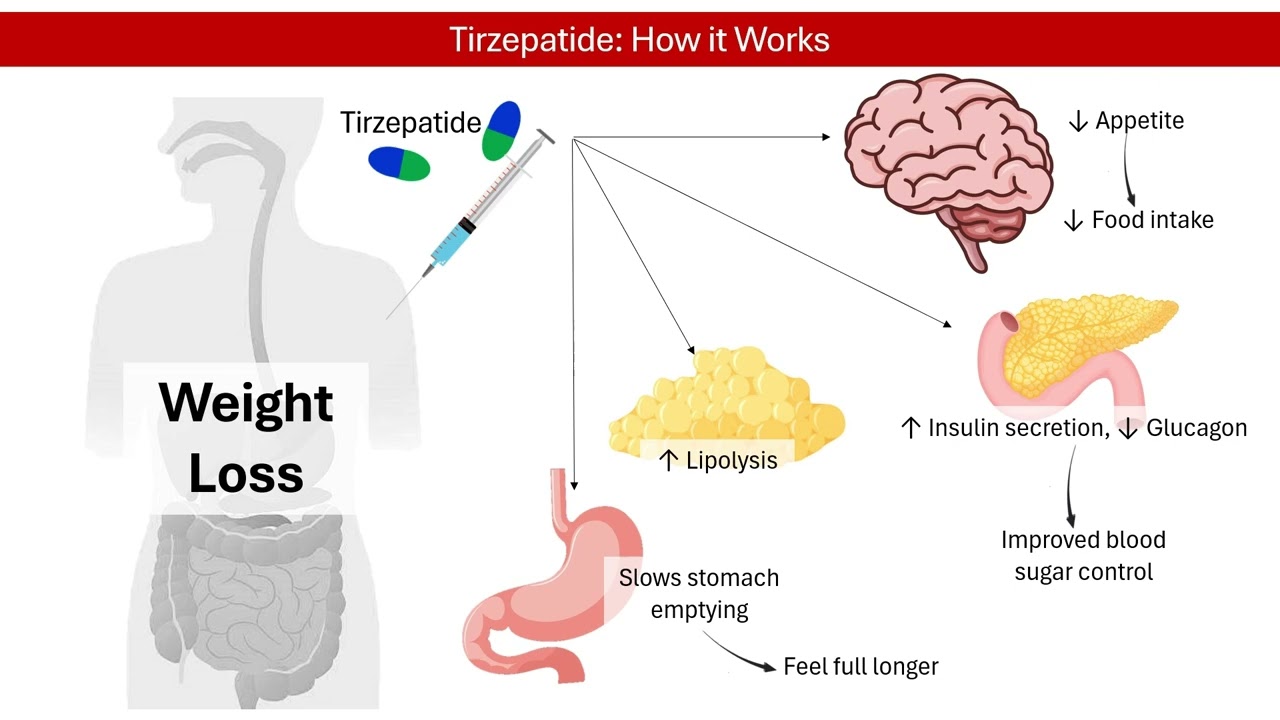
Rare adverse effects with tirzepatide included cholecystitis, which was reported slightly more frequently (0.6%) than with placebo (0%).19 In an RCT of 3731 people with BMI 30, or BMI 27 with untreated dyslipidemia or hypertension, but without diabetes, liraglutide 3 mg daily with health behaviour modification resulted in weight change of 8.0% versus 2.6% with placebo at 56 weeks (estimated treatment difference 5.4%, 95% CI 5.8 to 5.0).20 The most common adverse effects with liraglutide were mild to moderate nausea, diarrhea, and constipation, with discontinuation rates from adverse events of 9.9% in the liraglutide group versus 3.8% in the placebo group.20 Rare adverse effects included gallstones, reported in 0.8% of the liraglutide group versus 0.4% with placebo, with pancreatitis reported in 0.4% of the liraglutide group and less than 0.1% with placebo.20 In an RCT of 1742 patients with BMI 3045, or BMI 2745 with dyslipidemia or hypertension, but without diabetes, naltrexonebupropion 16 mg/180 mg twice daily with health behaviour changes was associated with weight change of 6.1% (standard error [SE] 0.3) versus 1.3% (SE 0.3) with placebo at 56 weeks (estimated treatment difference 4.8%).21 The most common adverse effects with naltrexonebupropion included nausea, headache, constipation, dizziness, vomiting, and dry mouth
OceanX Research is a chemical supplier
Nakayama, T., Takahashi, S
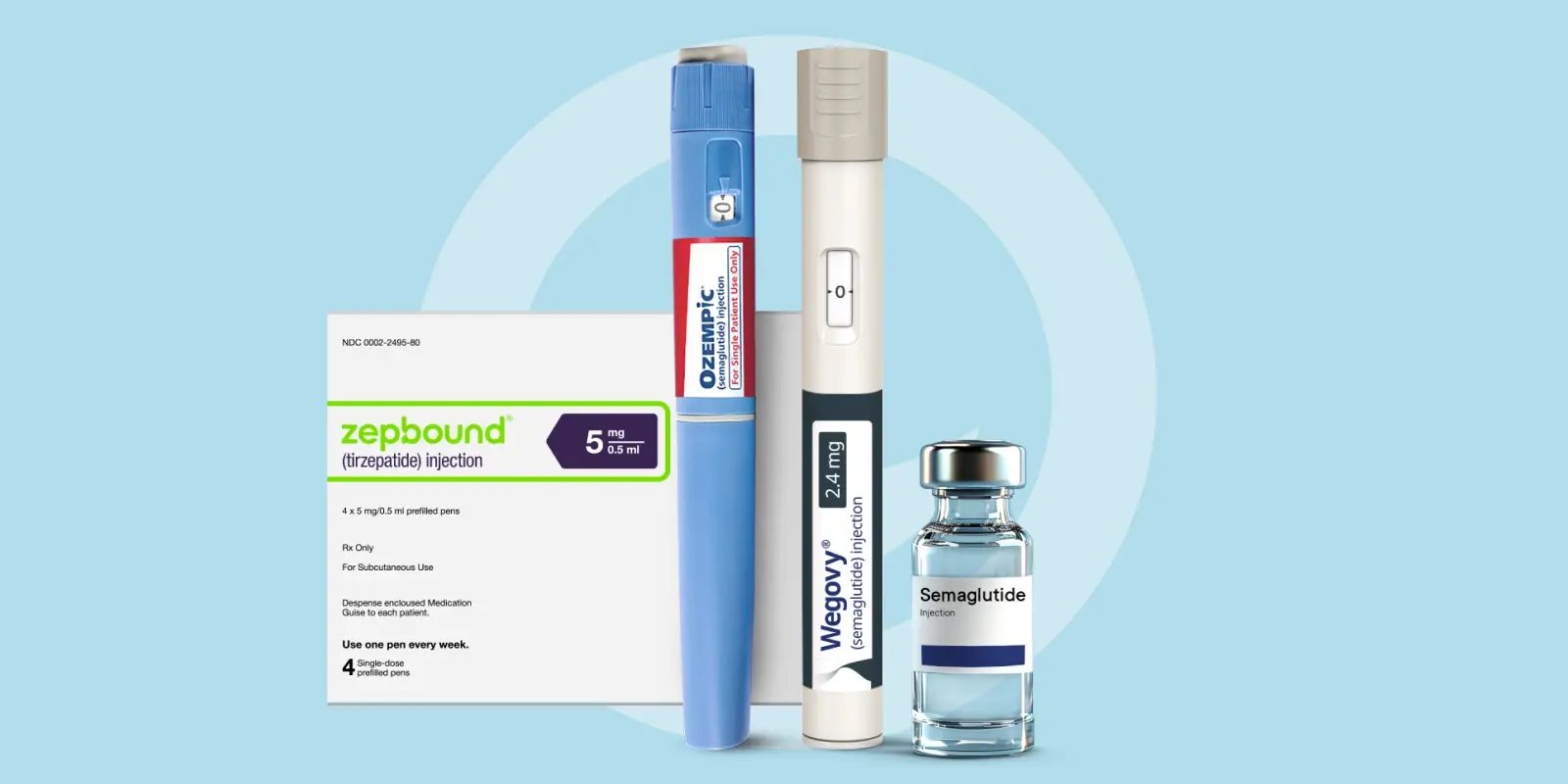
Clinical Update 9/19/2025 Allulose and GLP-1 The sweetener allulose can increase GLP-1 levels, but can it help manage weight like GLP-1 agonists such as Ozempic and Wegovy